are external optical drives worth it for laptops
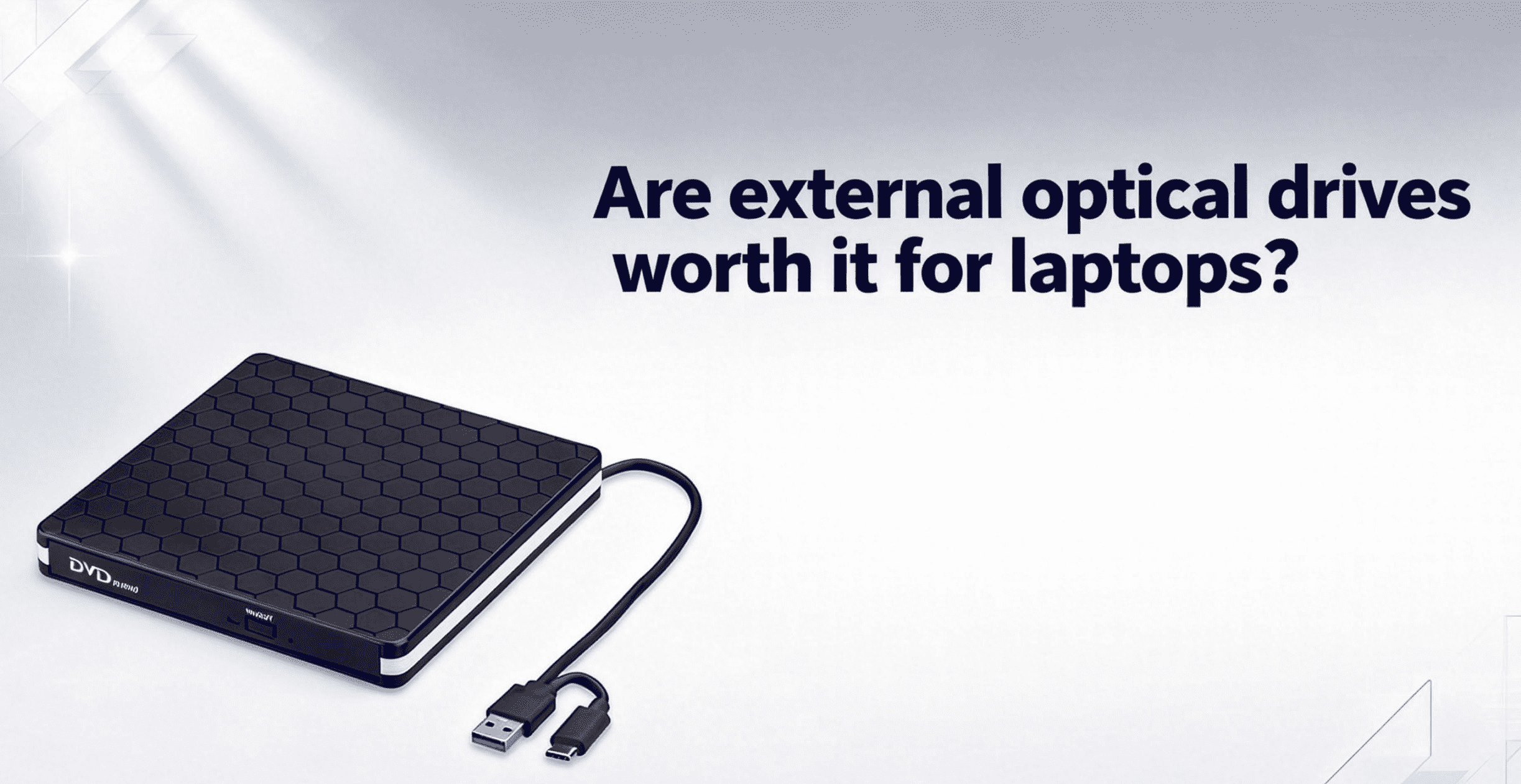
Let’s break down when an external optical drive is a valuable investment and when it’s an unnecessary gadget.

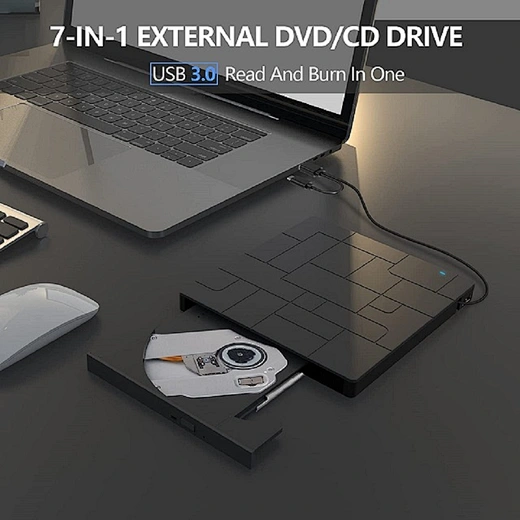
First, let’s clarify what an external optical drive offers. Unlike built-in versions, these portable devices connect to your laptop via USB or Type-C ports, supporting CD, DVD, or even Blu-ray discs for reading and burning. Most models are plug-and-play, lightweight (often weighing 200-300 grams, similar to a small notebook), and compatible with Windows, macOS, and Linux systems. Their portability makes them a flexible solution for scenarios where physical discs are still in use.
There are clear scenarios where an external optical drive proves indispensable. For professionals like graphic designers, lawyers, or educators, physical discs may still be a primary way to share large files, archive data, or distribute materials. For example, some clients or institutions prefer DVD backups for legal documents or project files due to their tangible nature. Additionally, if you’re a film enthusiast who collects Blu-ray discs or a music lover with a CD library, an external optical drive lets you enjoy these collections on your laptop without sacrificing portability. Gamers who own physical copies of older games or software installers on discs will also find value here—many legacy programs or system installations still rely on optical media.
Students and office workers might also benefit from an external optical drive in specific cases. If your school or company uses discs for textbooks, training materials, or software licenses, a portable drive ensures you can access these resources anywhere. Models with dual USB-C and USB-A interfaces offer extra flexibility, adapting to both modern thin-and-light laptops and older devices. Some premium drives even feature silent operation and shock resistance, enhancing the user experience for frequent travelers.
However, there are equally compelling reasons why an external optical drive might not be worth it for most laptop users. Digital streaming services have largely replaced physical discs for entertainment—platforms like Netflix, Spotify, and Amazon Prime Video offer instant access to millions of movies and songs without the need for discs. Cloud storage solutions (Google Drive, Dropbox) and high-capacity USB drives (up to 2TB) are more convenient for data transfer and backup, with faster speeds and greater durability than fragile discs. For everyday users who rarely encounter physical media, an external optical drive will likely sit unused, taking up space in a bag or drawer.

Cost is another factor to consider. Basic external optical drive models for CD/DVD start at around $30-$50, while Blu-ray-compatible versions can cost $100 or more. If you only need to access a disc once or twice, renting a drive or using a friend’s device might be more economical than purchasing one. Additionally, disc formats are gradually becoming obsolete—many new laptops lack even the ports to connect older drives, and software developers are phasing out disc-based distribution.
So, are external optical drives worth it for laptops? They are a niche but valuable tool for anyone who regularly uses physical discs for work, entertainment, or legacy content. If you fall into this category, look for a lightweight, compatible model with reliable read/write speeds and a warranty. For the average user who lives in a digital world, though, the convenience of cloud storage and USB drives makes anexternal optical drive an unnecessary expense.
Ultimately, the decision comes down to your individual needs. An external optical drive isn’t a must-have for every laptop owner, but for those who still rely on physical media, it’s a practical solution that bridges the gap between legacy formats and modern devices.
can you buy a notebook computer with a dvd drive
Are There Any Laptops with CD Drive