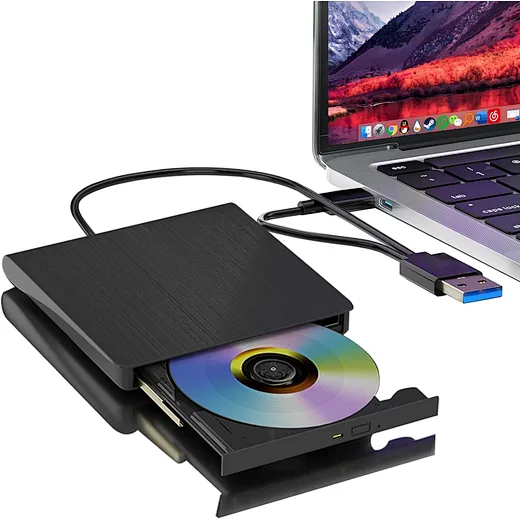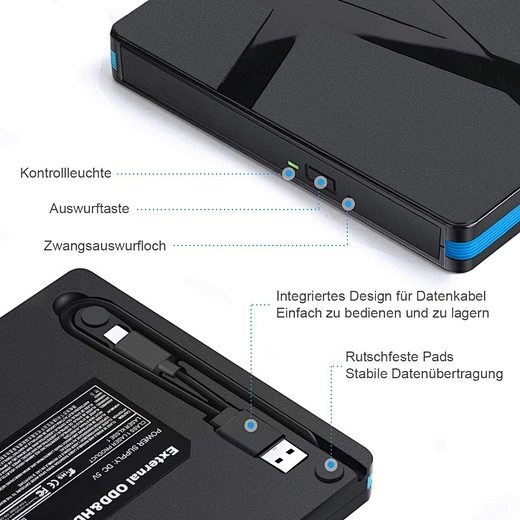
can i use internal cd drive as external
author: LJ
2026-01-16
The short answer is yes—but it requires the right tools and know-how to convert it into a functional external cd drive. This 2025 news guide breaks down the step-by-step process, essential tools, power considerations, and pros/cons of repurposing your internal drive, all while optimizing for Google indexing with strategic keyword placement. Whether you’re a DIY enthusiast or looking to save money on a new external cd drive, we’ve got you covered with actionable insights and expert advice.
Core Answer: Can I Use Internal CD Drive as External?
Yes, you can use an internal CD drive as an external cd drive, but it requires additional hardware to convert the internal SATA or IDE connection to a USB interface (the standard for external devices). Unlike pre-built external cd drives, which are designed for portability and plug-and-play use, converting an internal drive involves addressing power requirements and physical protection. The process works for most laptop (slim 9.5mm/12.7mm) and desktop (5.25-inch) internal CD/DVD/Blu-ray drives, though there are key differences in tools and power needs.
What You Need to Convert an Internal CD Drive to External
To turn your internal CD drive into an external cd drive, you’ll need a few affordable tools—most of which cost less than a new pre-built external cd drive. Here’s the essential checklist:
- USB-to-SATA/IDE Adapter or Enclosure: The most critical component. Adapters are simple cables that connect the drive to your computer’s USB port. Enclosures are protective cases with built-in adapters, shielding the drive from dust, static, and physical damage. For laptop slim drives, opt for a SATA-to-USB adapter (no external power needed for most). For desktop 5.25-inch drives, use an enclosure with a built-in power supply (they require +5V and +12V power, which USB alone can’t provide).
- Power Supply (If Needed): Slim laptop internal drives often draw power directly from the USB adapter (plug-and-play). Desktop 5.25-inch drives need an external AC power supply (included with most enclosures) to operate—USB ports only provide 5V, insufficient for these larger drives.
- Anti-Static Tools: An anti-static wrist strap or mat prevents electrostatic damage to the drive’s circuit board during handling. While internal drives are more resilient to static than components like GPUs, protection is still recommended.
- Basic Tools: A small Phillips-head screwdriver to open enclosures (if using one) and secure the drive in place. Rubber feet (optional) reduce noise and vibration if using the drive without an enclosure.
Step-by-Step Guide to Convert Internal CD Drive to External
Follow these steps to safely convert your internal CD drive into a functional external cd drive. The process takes 15–30 minutes and requires no advanced technical skills:
1. Prepare the Workspace: Turn off all electronics and ground yourself with an anti-static wrist strap. Lay the internal CD drive on a clean, flat surface—avoid carpet or other static-prone materials.
2. Choose Your Conversion Method:
- Adapter Method: Connect the USB-to-SATA adapter to the drive’s SATA port (small rectangular connector). For slim laptop drives, the adapter will power the drive via USB—no extra cable needed. For desktop drives, connect the adapter’s power supply to the drive and a wall outlet.
- Enclosure Method: Open the enclosure, align the internal drive’s SATA port with the enclosure’s connector, and secure the drive with screws. Close the enclosure, then connect the enclosure’s USB cable to your computer. Desktop drive enclosures will have a separate power cord.
3. Connect to Your Computer: Plug the USB end of the adapter or enclosure into your PC or Mac. Most modern operating systems (Windows 10+/macOS Ventura+) will automatically recognize the drive as an external cd drive—no drivers needed.
4. Test the Drive: Insert a CD/DVD to verify it reads data. Try burning a test file (if the drive is a burner) to ensure full functionality. If the drive isn’t recognized, check the USB connection, power supply (for desktop drives), and ensure the adapter is compatible with your drive type (SATA vs. IDE).
Pros & Cons of Using an Internal CD Drive as External
Before converting, weigh the advantages and drawbacks compared to buying a pre-built external cd drive:
Pros
- Cost-Saving: Repurposing an old internal drive costs $10–$40 (tools) vs. $30–$100 for a new external cd drive.
- Eco-Friendly: Keeps old hardware out of landfills—ideal for sustainability-focused users.
- Customization: Choose between a compact adapter (for portability) or a rugged enclosure (for protection) based on your needs.
Cons
- Power Limitations: Desktop 5.25-inch drives require bulky external power supplies, losing portability. Slim drives may have slower burn speeds when powered via USB alone.
- No Built-In Protection: Adapters leave the drive exposed to dust, spills, and static—enclosures add protection but increase cost.
- Compatibility Risks: Older IDE drives (rare today) need specialized adapters, and some adapters don’t support Blu-ray drives or M-DISC burning.
Expert Tips for a Successful Conversion
Maximize the performance and lifespan of your converted external cd drive with these pro tips:
- Choose the Right Adapter/Enclosure: For Blu-ray drives or burners, use a high-quality USB 3.0 adapter to avoid data transfer bottlenecks. Ensure the product explicitly supports optical drives (some only work with hard drives/SSDs).
- Reduce Noise & Vibration: Attach rubber feet to the drive if using an adapter—this minimizes rattle and protects surfaces.
- Avoid Overheating: Don’t stack the drive with other electronics. Enclosures with ventilation slots help dissipate heat during long burning sessions.
- Test Power Before Use: For desktop drives, ensure the power supply provides +5V and +12V—insufficient power causes read/write errors or drive failure.
FAQ: Common Questions About Using Internal CD Drives as External
Q: Can I use internal cd drive as external without an enclosure?
A: Yes—using a USB-to-SATA adapter lets you use the drive without an enclosure. However, this exposes the drive to dust, static, and physical damage. Use rubber feet for stability and avoid touching the circuit board. An enclosure is recommended for long-term use or portability.
Q: Will a converted internal CD drive work with macOS?
A: Yes—most USB-to-SATA adapters and enclosures are compatible with macOS (Ventura/Sonoma) and Windows. The drive will be recognized as a standard external cd drive, supporting reading and burning with built-in tools (Disk Utility for macOS, File Explorer for Windows).
Q: Is converting an internal drive better than buying a new external cd drive?
A: It depends on your needs. If you have a spare internal drive and prioritize cost-saving, conversion is great. If you want portability, plug-and-play convenience, and built-in protection, a new external cd drive is worth the investment. New drives also come with warranties, unlike converted old drives.
Q: Can I use a laptop’s internal CD drive as external after upgrading to an SSD?
A: Absolutely—this is one of the most common use cases. Laptop slim drives (9.5mm/12.7mm) work perfectly with SATA-to-USB adapters, requiring no external power. It’s a great way to retain disc functionality after upgrading your laptop’s storage.
Final Thoughts: Convert Wisely for a Functional External CD Drive
Now you have a clear answer to can i use internal cd drive as external: With the right adapter or enclosure, repurposing an internal drive is a cost-effective, eco-friendly way to get an external cd drive. For slim laptop drives, it’s a simple DIY project; for desktop drives, plan for extra power and protection. Whether you’re converting for convenience or sustainability, follow our guide to ensure a reliable, long-lasting setup.

If you don’t have a spare internal drive, opt for a high-quality pre-built external cd drive—look for USB 3.0, multi-format support, and a durable enclosure for the best value. Either way, you’ll gain access to disc-based content on modern devices without built-in drives.
why do led lights flicker on video
how long do you use the neck beauty device
Related Article
Confused about how to fix half moon wall light? Our simple quick tips help you troubleshoot common issues and get your cozy fixture working again fast.
how to fix half moon wall light
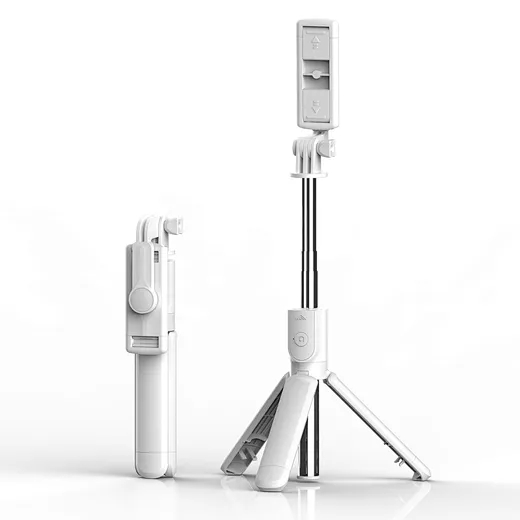
In the age of TikTok, Instagram Reels, and 24/7 live broadcasting, the Selfie Stick has evolved from a "tourist gadget" into an essential professional tool.
who invented selfie stick