how to choose a microphone
author: LJ
2026-01-30
Whether you’re a podcaster, vocalist, streamer, or home studio enthusiast, knowing how to choose a microphone is the first step to capturing crisp, professional-quality audio. With so many options—from dynamic mics to USB models—the process can feel overwhelming. But one type stands out for its versatility and detail: the Condenser Microphone. A high-quality Condenser Microphone excels at capturing subtle nuances in vocals and instruments, making it a top choice for controlled environments like studios or quiet home setups. This 2025 news guide breaks down the key factors to consider when choosing any microphone, dives deep into Condenser Microphone选型 essentials, and shares pro tips to match your mic to your use case.
Key Factors to Consider When Learning How to Choose a Microphone
Before narrowing down to a Condenser Microphone or other type, master these core considerations—they apply to every microphone and will simplify your decision:
Use Case (What You’ll Record): Vocals, podcasts, drums, guitar amps, and live performances each require different mic traits. A Condenser Microphone is ideal for vocals and acoustic instruments, while dynamic mics shine in loud, live settings.Recording Environment: Noisy spaces (coffee shops, live stages) need mics with low sensitivity and focused polar patterns. Quiet environments (home studios, sound-treated rooms) let you leverage a Condenser Microphone’s high sensitivity.Polar Pattern: This determines which directions the mic picks up sound. Cardioid (captures front sound, rejects sides/back) is best for single vocals/podcasts—most Condenser Microphones feature a cardioid pattern. Omnidirectional (all directions) works for group recordings; supercardioid (narrower focus) is for noisy environments.Frequency Response: Measured in Hz-KHz, this indicates the range of sounds the mic captures. A Condenser Microphone typically has a wide frequency response (20Hz–20kHz+), matching human hearing and capturing rich detail. Vocals need boosted mids; bass instruments (kick drums) need enhanced low frequencies.Connectivity: XLR (professional, requires an audio interface/mixer) or USB (plug-and-play for computers/phones). Many entry-level Condenser Microphones now offer USB connectivity for beginners.Budget: Microphones range from $20 to $2,000+. A quality entry-level Condenser Microphone costs $50–$200; professional models (Neumann, AKG) run $500+.
Use Case (What You’ll Record): Vocals, podcasts, drums, guitar amps, and live performances each require different mic traits. A Condenser Microphone is ideal for vocals and acoustic instruments, while dynamic mics shine in loud, live settings.Recording Environment: Noisy spaces (coffee shops, live stages) need mics with low sensitivity and focused polar patterns. Quiet environments (home studios, sound-treated rooms) let you leverage a Condenser Microphone’s high sensitivity.Polar Pattern: This determines which directions the mic picks up sound. Cardioid (captures front sound, rejects sides/back) is best for single vocals/podcasts—most Condenser Microphones feature a cardioid pattern. Omnidirectional (all directions) works for group recordings; supercardioid (narrower focus) is for noisy environments.Frequency Response: Measured in Hz-KHz, this indicates the range of sounds the mic captures. A Condenser Microphone typically has a wide frequency response (20Hz–20kHz+), matching human hearing and capturing rich detail. Vocals need boosted mids; bass instruments (kick drums) need enhanced low frequencies.Connectivity: XLR (professional, requires an audio interface/mixer) or USB (plug-and-play for computers/phones). Many entry-level Condenser Microphones now offer USB connectivity for beginners.Budget: Microphones range from $20 to $2,000+. A quality entry-level Condenser Microphone costs $50–$200; professional models (Neumann, AKG) run $500+.
Condenser Microphone: What It Is & Why It’s a Top Choice
To fully understand how to choose a microphone, you need to know the strengths of a Condenser Microphone—it’s one of the two primary mic types (alongside dynamic) and a favorite for professional recordings. Here’s a breakdown:
How It Works: A Condenser Microphone uses a thin, movable diaphragm and fixed backplate to convert sound waves into electrical signals. This design makes it highly sensitive to subtle sound changes.Key Advantages: Wide frequency response (captures highs and lows accurately), excellent transient response (picks up fast sounds like guitar strums), and detailed sound reproduction—perfect for vocals, acoustic guitars, piano, and podcasting.Trade-Offs: Requires external power (48V phantom power from an interface/mixer or built-in battery) and is more delicate than dynamic mics. Its high sensitivity means it picks up background noise, so it’s best for quiet environments.Common Types: Large-diaphragm (warm, rich sound for vocals) and small-diaphragm (crisp, accurate for instruments like strings and drums) Condenser Microphones. Most beginners opt for large-diaphragm models.
How It Works: A Condenser Microphone uses a thin, movable diaphragm and fixed backplate to convert sound waves into electrical signals. This design makes it highly sensitive to subtle sound changes.Key Advantages: Wide frequency response (captures highs and lows accurately), excellent transient response (picks up fast sounds like guitar strums), and detailed sound reproduction—perfect for vocals, acoustic guitars, piano, and podcasting.Trade-Offs: Requires external power (48V phantom power from an interface/mixer or built-in battery) and is more delicate than dynamic mics. Its high sensitivity means it picks up background noise, so it’s best for quiet environments.Common Types: Large-diaphragm (warm, rich sound for vocals) and small-diaphragm (crisp, accurate for instruments like strings and drums) Condenser Microphones. Most beginners opt for large-diaphragm models.

How to Choose a Condenser Microphone: Step-by-Step
If a Condenser Microphone fits your use case (quiet environment, detail-focused recording), follow these steps to pick the perfect one:
1. Match the Condenser Microphone to Your Recording GoalNot all Condenser Microphones are the same—choose based on what you’ll record:
Vocals (Podcasting/Singing): Opt for a large-diaphragm Condenser Microphone with a cardioid polar pattern. Look for models with a shaped frequency response (boosted mids, rolled-off extremes) to reduce breath and handling noise.Acoustic Guitar/Piano: Small-diaphragm Condenser Microphones capture crisp detail, while large-diaphragm models add warmth. For piano, use two small-diaphragm mics (stereo pair) for balanced sound.Drum Overheads: Small-diaphragm Condenser Microphones with wide frequency response capture cymbal detail without muddiness.ASMR/Field Recording: Ultra-sensitive Condenser Microphones (like the Beyerdynamic MC 930) pick up subtle sounds like whispers and instrument nuances.
Vocals (Podcasting/Singing): Opt for a large-diaphragm Condenser Microphone with a cardioid polar pattern. Look for models with a shaped frequency response (boosted mids, rolled-off extremes) to reduce breath and handling noise.Acoustic Guitar/Piano: Small-diaphragm Condenser Microphones capture crisp detail, while large-diaphragm models add warmth. For piano, use two small-diaphragm mics (stereo pair) for balanced sound.Drum Overheads: Small-diaphragm Condenser Microphones with wide frequency response capture cymbal detail without muddiness.ASMR/Field Recording: Ultra-sensitive Condenser Microphones (like the Beyerdynamic MC 930) pick up subtle sounds like whispers and instrument nuances.
2. Check Key Specs for Condenser Microphones
Focus on these specs to ensure yourCondenser Microphone delivers quality sound:
Signal-to-Noise Ratio (SNR): Measured in dB—aim for ≥70dB (higher = cleaner sound). A low SNR leads to background hiss, which ruins recordings.Sensitivity: Expressed in dBV/Pa—higher sensitivity (-30~-40dBV/Pa) is good for quiet sources (vocals), while lower sensitivity works for louder instruments.Frequency Response: For vocals, 80Hz–15kHz is sufficient; for professional recording, 20Hz–20kHz (matches human hearing) is ideal.Polar Pattern: Cardioid is best for single sources. Some Condenser Microphones (like the AKG C414 Xlii) offer switchable patterns (cardioid, omnidirectional) for versatility.
Signal-to-Noise Ratio (SNR): Measured in dB—aim for ≥70dB (higher = cleaner sound). A low SNR leads to background hiss, which ruins recordings.Sensitivity: Expressed in dBV/Pa—higher sensitivity (-30~-40dBV/Pa) is good for quiet sources (vocals), while lower sensitivity works for louder instruments.Frequency Response: For vocals, 80Hz–15kHz is sufficient; for professional recording, 20Hz–20kHz (matches human hearing) is ideal.Polar Pattern: Cardioid is best for single sources. Some Condenser Microphones (like the AKG C414 Xlii) offer switchable patterns (cardioid, omnidirectional) for versatility.
3. Consider Connectivity & Power Requirements
Most Condenser Microphones need 48V phantom power—ensure you have an audio interface, mixer, or preamp with this feature. If you’re a beginner without gear, opt for a USB Condenser Microphone (like the Audio-Technica AT2020USB+) that’s plug-and-play and includes built-in power.
4. Set a Budget & Prioritize Value
You don’t need to splurge on a Condenser Microphone to get great sound. Here’s how to budget:Budget ($50–$200): Entry-level models like the MXL 770 (best budget) and Audio-Technica AT2020 (best under $100) deliver professional-quality sound for beginners.Mid-Range ($200–$500): The Rode NT1-A (best under $200) and Avat One CV-12 (best under $500) offer improved build quality and sound clarity.Premium ($500+): Professional models like the Neumann TLM 103 (gem for vocals) and AKG C414 Xlii (versatile all-rounder) are worth it for studios and serious creators.
Condenser Microphone vs. Dynamic Microphone: Which Is Better?
A common question when learning how to choose a microphone is whether to pick a Condenser Microphone or dynamic model. Here’s a side-by-side comparison to decide:
FeatureCondenser MicrophoneDynamic MicrophoneSensitivityHigh (captures subtle details)Low (focused, less background noise)Frequency ResponseWide (20Hz–20kHz+)Moderate (50Hz–15kHz typical)Power RequirementNeeds 48V phantom power or batteryNo external power (plug-and-play)DurabilityDelicate (needs careful handling)Sturdy (ideal for live use)Best Use CasesStudio vocals, acoustic instruments, podcasts (quiet spaces)Live performances, drums, guitar amps, noisy environments
FeatureCondenser MicrophoneDynamic MicrophoneSensitivityHigh (captures subtle details)Low (focused, less background noise)Frequency ResponseWide (20Hz–20kHz+)Moderate (50Hz–15kHz typical)Power RequirementNeeds 48V phantom power or batteryNo external power (plug-and-play)DurabilityDelicate (needs careful handling)Sturdy (ideal for live use)Best Use CasesStudio vocals, acoustic instruments, podcasts (quiet spaces)Live performances, drums, guitar amps, noisy environments
Short answer: Choose a Condenser Microphone for quiet, detail-focused recording. Pick a dynamic mic for loud, live, or noisy settings.
Pro Tips for How to Choose a Microphone (Avoid Common Mistakes)
Use these expert tips to make the right choice and get the most out of your Condenser Microphone or other mic:
Don’t Overspend on Features You Don’t Need: If you’re a beginner podcaster, a $100 Condenser Microphone (like the Audio-Technica AT2020) is better than a $1,000 Neumann—you won’t notice the difference without professional gear.Test Before Buying (If Possible): Listen to sample recordings of the mic you’re considering. Many brands (like Shure and Rode) offer free audio samples on their websites.Pair Your Mic with the Right Gear: A top-tier Condenser Microphone won’t sound good with a cheap audio interface. Match your mic to your gear—mid-range mics work best with mid-range interfaces.Invest in Accessories: A shock mount (reduces vibration) and pop filter (eliminates plosives) are must-haves for any Condenser Microphone—they improve sound quality as much as the mic itself.Read User Reviews: Look for reviews from users with similar use cases (e.g., “podcasters” or “vocalists”)—they’ll highlight real-world pros and cons.
Don’t Overspend on Features You Don’t Need: If you’re a beginner podcaster, a $100 Condenser Microphone (like the Audio-Technica AT2020) is better than a $1,000 Neumann—you won’t notice the difference without professional gear.Test Before Buying (If Possible): Listen to sample recordings of the mic you’re considering. Many brands (like Shure and Rode) offer free audio samples on their websites.Pair Your Mic with the Right Gear: A top-tier Condenser Microphone won’t sound good with a cheap audio interface. Match your mic to your gear—mid-range mics work best with mid-range interfaces.Invest in Accessories: A shock mount (reduces vibration) and pop filter (eliminates plosives) are must-haves for any Condenser Microphone—they improve sound quality as much as the mic itself.Read User Reviews: Look for reviews from users with similar use cases (e.g., “podcasters” or “vocalists”)—they’ll highlight real-world pros and cons.
FAQ: Common Questions About How to Choose a Microphone & Condenser Microphones
Q: How to choose a microphone for podcasting?
A: For podcasting, prioritize a Condenser Microphone with a cardioid polar pattern (reduces background noise) and USB or XLR connectivity. If you record in a quiet room, go for a large-diaphragm Condenser Microphone (like the Rode NT1-A) for warm vocals. If your space is noisy, opt for a dynamic mic (like the Shure SM58) instead.
Q: Do I need phantom power for a Condenser Microphone?
A: Yes—most Condenser Microphones require 48V phantom power to operate. This power is usually provided by an audio interface, mixer, or preamp. USB Condenser Microphones have built-in power, so you don’t need an external source.
Q: Is a Condenser Microphone good for live performances?
A: It depends on the environment. Condenser Microphones are sensitive and pick up background noise, so they’re not ideal for loud live stages (dynamic mics are better). However, some rugged Condenser Microphones (like the Sennheiser E965) work well for live vocals in controlled venues.
Q: How to choose a microphone on a tight budget?
A: On a budget ($50–$100), look for an entry-level Condenser Microphone like the MXL 770 (best budget) or Audio-Technica AT2020 (best under $100). These models deliver professional sound without breaking the bank. Avoid generic brands—stick to reputable names for durability.
Q: What’s the best Condenser Microphone for vocals?
A: The best Condenser Microphone for vocals depends on your budget: Entry-level (Audio-Technica AT2020), mid-range (Rode NT1-A), premium (Neumann TLM 103). All have cardioid polar patterns and large diaphragms, capturing warm, clear vocal tones.
Final Thoughts: How to Choose a Microphone That Fits Your Needs
Learning how to choose a microphone boils down to three core steps: define your use case, assess your environment, and match the mic’s features to both. For most detail-focused recordings—vocals, acoustic instruments, podcasts—aCondenser Microphone is the best choice, thanks to its wide frequency response and high sensitivity. By following our guide, you’ll avoid common mistakes (like buying a mic for the wrong environment) and pick a model that elevates your audio.
Remember: There’s no “best” microphone—only the best one for you. Whether you’re a beginner or a professional, a quality Condenser Microphone (or dynamic mic, if needed) will make your recordings stand out. Use our tips to shop smart, and don’t forget to invest in accessories like a shock mount and pop filter—they’re just as important as the mic itself.
Q: How to choose a microphone on a tight budget?
A: On a budget ($50–$100), look for an entry-level Condenser Microphone like the MXL 770 (best budget) or Audio-Technica AT2020 (best under $100). These models deliver professional sound without breaking the bank. Avoid generic brands—stick to reputable names for durability.
Q: What’s the best Condenser Microphone for vocals?
A: The best Condenser Microphone for vocals depends on your budget: Entry-level (Audio-Technica AT2020), mid-range (Rode NT1-A), premium (Neumann TLM 103). All have cardioid polar patterns and large diaphragms, capturing warm, clear vocal tones.
Final Thoughts: How to Choose a Microphone That Fits Your Needs
Learning how to choose a microphone boils down to three core steps: define your use case, assess your environment, and match the mic’s features to both. For most detail-focused recordings—vocals, acoustic instruments, podcasts—aCondenser Microphone is the best choice, thanks to its wide frequency response and high sensitivity. By following our guide, you’ll avoid common mistakes (like buying a mic for the wrong environment) and pick a model that elevates your audio.
Remember: There’s no “best” microphone—only the best one for you. Whether you’re a beginner or a professional, a quality Condenser Microphone (or dynamic mic, if needed) will make your recordings stand out. Use our tips to shop smart, and don’t forget to invest in accessories like a shock mount and pop filter—they’re just as important as the mic itself.
who invented the selfie stick
does macbook pro have fingerprint reader
Related Article
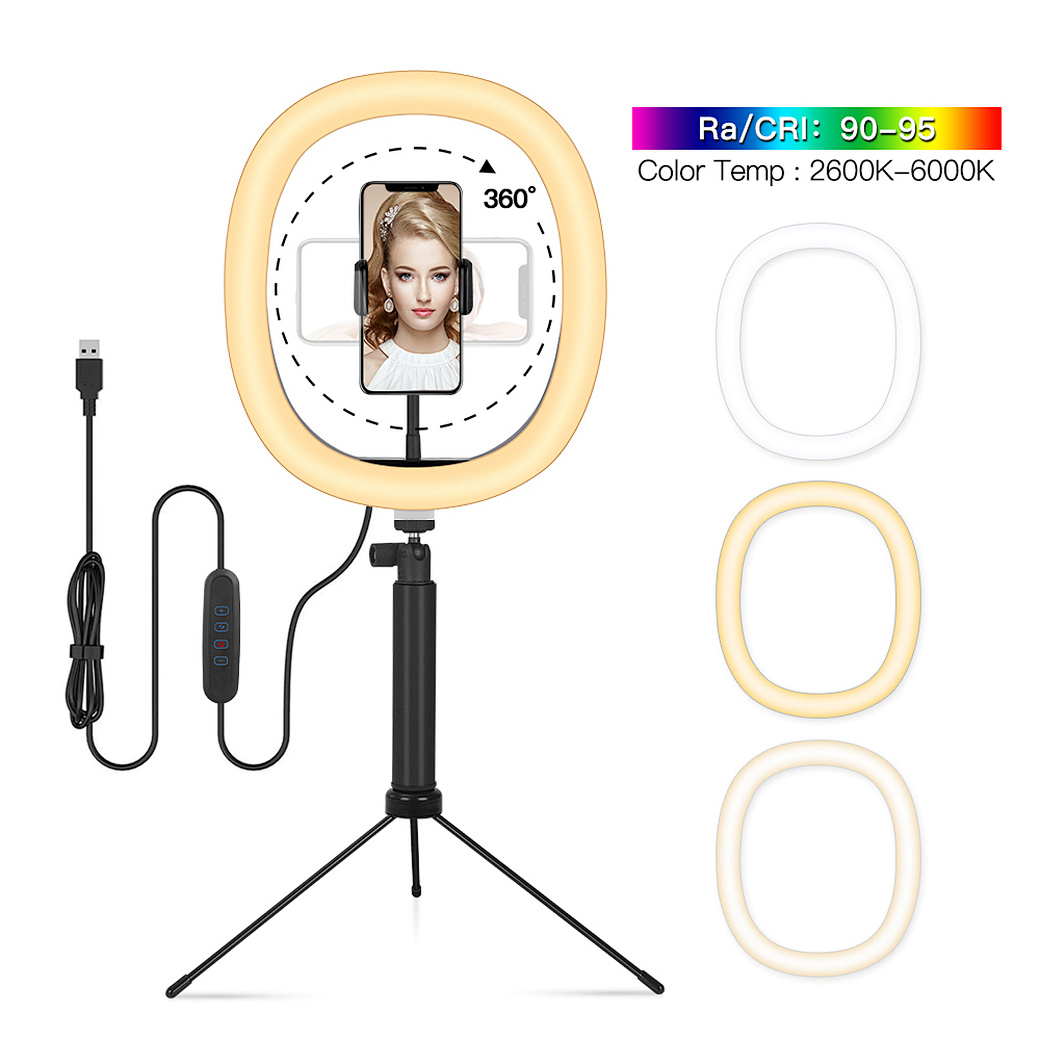
Confused about how to fix half moon wall light? Our simple quick tips help you troubleshoot common issues and get your cozy fixture working again fast.
how to fix half moon wall light
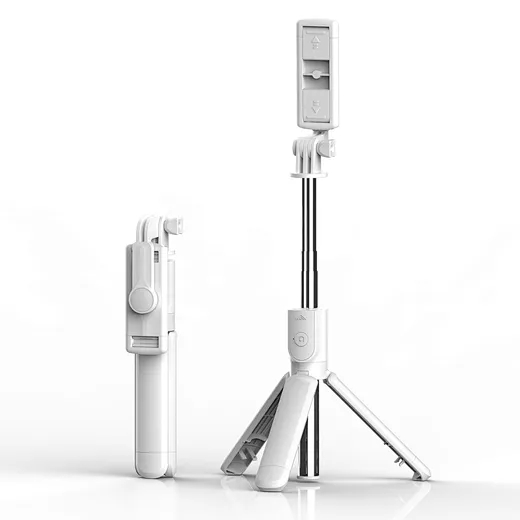
In the age of TikTok, Instagram Reels, and 24/7 live broadcasting, the Selfie Stick has evolved from a "tourist gadget" into an essential professional tool.
who invented selfie stick