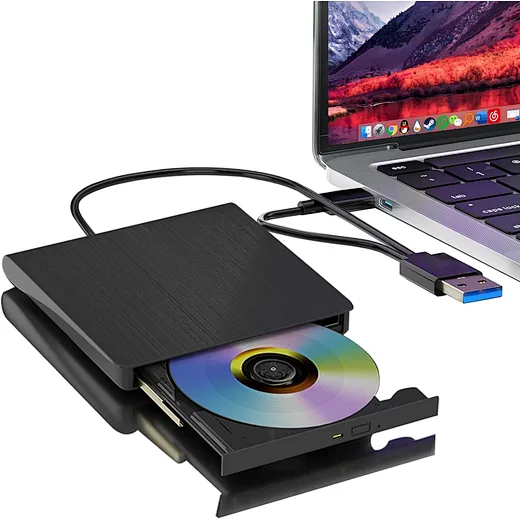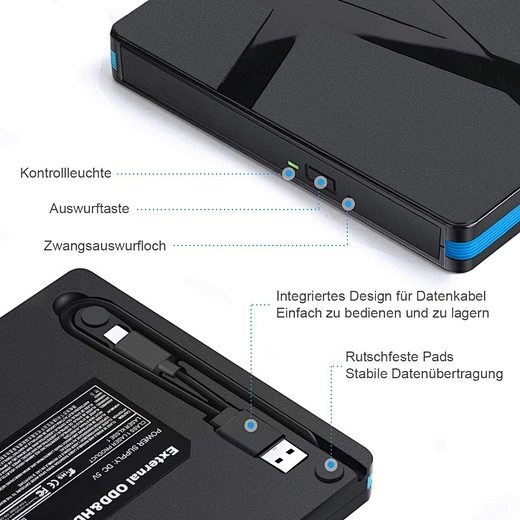
what does an optical drive do
author: LJ
2026-01-05
Even in the age of cloud storage and USB drives, an optical drive remains a vital tool for accessing legacy media, archiving data, and using physical discs.
This 2025 news guide breaks down the core functions of anoptical drive, the different types (CD, DVD, Blu-ray), and why a portable external optical drive (our specialty) is a smart investment for modern users.
Whether you’re new to physical media or revisiting old discs, we’ll answer what does an optical drive do and how it fits into your digital life.
“Many users underestimate the value of an optical drive until they need to access an old CD with family photos or install legacy software,” says tech expert Elena Cruz.
“Many users underestimate the value of an optical drive until they need to access an old CD with family photos or install legacy software,” says tech expert Elena Cruz.
“An optical drive’s core job is simple, but it’s irreplaceable for specific tasks—especially when you choose a portable external model that works with all modern laptops.
Understanding what does an optical drive do helps users unlock the full potential of physical media without being limited by built-in drive shortages.”
Core Answer: What Does an Optical Drive Do?
At its heart, an optical drive is a hardware device that reads and writes data to/from optical discs (CDs, DVDs, Blu-rays) using laser technology.
Core Answer: What Does an Optical Drive Do?
At its heart, an optical drive is a hardware device that reads and writes data to/from optical discs (CDs, DVDs, Blu-rays) using laser technology.
Unlike USB drives (which use flash memory) or hard drives (mechanical disks), an optical drive relies on light to interact with the disc’s surface—tiny pits and lands on the disc encode data,
and the drive’s laser detects these patterns to retrieve or store information. Here are the key functions of an optical drive:
1. Read Data from Optical Discs
The most common function of an optical drive is reading data from existing discs. This includes: playing music from audio CDs, watching movies on DVDs/Blu-rays, accessing photos or documents stored on data discs, and installing software/games from disc.
1. Read Data from Optical Discs
The most common function of an optical drive is reading data from existing discs. This includes: playing music from audio CDs, watching movies on DVDs/Blu-rays, accessing photos or documents stored on data discs, and installing software/games from disc.
For example, if you have an old CD with college project files or a DVD of childhood home videos, an optical drive lets you retrieve that content on modern laptops (which lack built-in drives).
Our external optical drive lineup supports all common disc formats, ensuring you can access even vintage media.

2. Write (Burn) Data to Blank Discs
Most modern optical drives (called “burners”) can also write data to blank CDs, DVDs, or Blu-rays. This is critical for archiving large files (like 4K videos or photo libraries) onto durable discs, creating custom music CDs, or burning backup copies of important documents.
Unlike cloud storage (which requires internet) or USB drives (which can be lost/stolen), burned discs are physical, offline, and long-lasting—some M-DISC DVDs (supported by our optical drives) preserve data for up to 1,000 years.
Burning discs is simple with our external optical drives, which come with bundled software for easy setup.

3. Play Media (Audio/Video) Directly
An optical drive works with media software (like VLC or QuickTime) to play audio and video directly from discs. This is perfect for watching classic movies on DVD, listening to vintage music CDs, or playing old game discs on compatible consoles.
Our external optical drives have fast read speeds, ensuring smooth playback without buffering—just like a built-in drive on older laptops.

Types of Optical Drives: What They Do Differently
Not all optical drives are the same—different types support different disc formats and functions. Here’s a breakdown to help you choose the right one:
- CD-ROM/DVD-ROM Drives: “ROM” stands for “read-only”—these optical drives can only read existing CDs/DVDs (no burning). They’re basic, affordable, and ideal for users who only need to access old discs.
- CD-RW/DVD-RW Drives: “RW” stands for “rewritable”—theseoptical drives can read and write (burn) CDs/DVDs. They support blank CD-R/DVD-R (write-once) and CD-RW/DVD-RW (rewritable) discs, making them versatile for home users.
- Blu-ray Drives: These high-performanceoptical drives support Blu-ray discs (which hold 25–100GB of data, vs. 4.7GB for DVDs). They can also read/write CDs and DVDs, making them all-in-one solutions for media enthusiasts and professionals.
Our Blu-ray optical drives support 4K playback for ultra-high-definition movies.
- External Optical Drives: Our core product—portable, plug-and-play optical drives that connect to laptops via USB-C/USB-A. They’re designed for modern devices without built-in drives, supporting all common formats (CD, DVD, Blu-ray) and functions (read/write).
They’re lightweight, durable, and perfect for travel or home use.
Why Modern Users Still Need an External Optical Drive
You might be thinking, “Do I need an optical drive in 2025?” The answer is yes—for these key reasons:
You might be thinking, “Do I need an optical drive in 2025?” The answer is yes—for these key reasons:
- Access Legacy Media: Millions of users have CDs/DVDs with irreplaceable photos, videos, or software—an optical drive is the only way to access them on modern laptops.
- Offline Data Archiving: Cloud storage requires internet and can be hacked—burned discs are offline, secure, and long-lasting (ideal for sensitive documents or family heirlooms).
- Professional Needs: Many industries (legal, medical, education) still use discs to share large files or distribute software—an optical drive is a workplace essential.
Our external optical drives solve the “no built-in drive” problem for modern users, offering all the functionality of a traditional optical drive in a portable, plug-and-play device.
FAQ: Common Questions About What an Optical Drive Does
Q: What does an optical drive do that a USB drive can’t?
A: USB drives are great for short-term storage, but an optical drive lets you read/write to physical discs, which are more durable (last decades vs. USB’s 5–10 years) and better for long-term archiving.
Also, an optical drive is the only way to access existing CD/DVD/Blu-ray collections.
Q: Do I need an optical drive for my new laptop?
A: New laptops don’t have built-in optical drives, but an external one is worth it if you have old discs, need to burn backups, or work in an industry that uses physical media.
Our external optical drives are plug-and-play, so you can connect them only when needed.
Q: Can an external optical drive do everything a built-in one does?
A: Yes! Our external optical drives have the same functions as built-in drives—reading/writing CDs/DVDs/Blu-rays, playing media, and burning discs.
They’re even more versatile, as they work with any laptop (Windows/macOS) and are portable.
Final Thoughts: Understand What an Optical Drive Does & Choose the Right One
Now you have a clear answer to what does an optical drive do: it reads and writes data to optical discs using laser technology, unlocking access to legacy media, enabling secure archiving, and supporting media playback.
For modern users, an external optical drive is the perfect solution—portable, compatible with all laptops, and packed with the functionality you need.
Ready to get an optical drive that fits your needs? Browse our lineup of external drives—from basic CD/DVD readers to high-performance Blu-ray burners—to find the perfect match.
Access your physical media and archive your data with confidence.
what does no optical drive mean
how to open the cd drive
Related Article
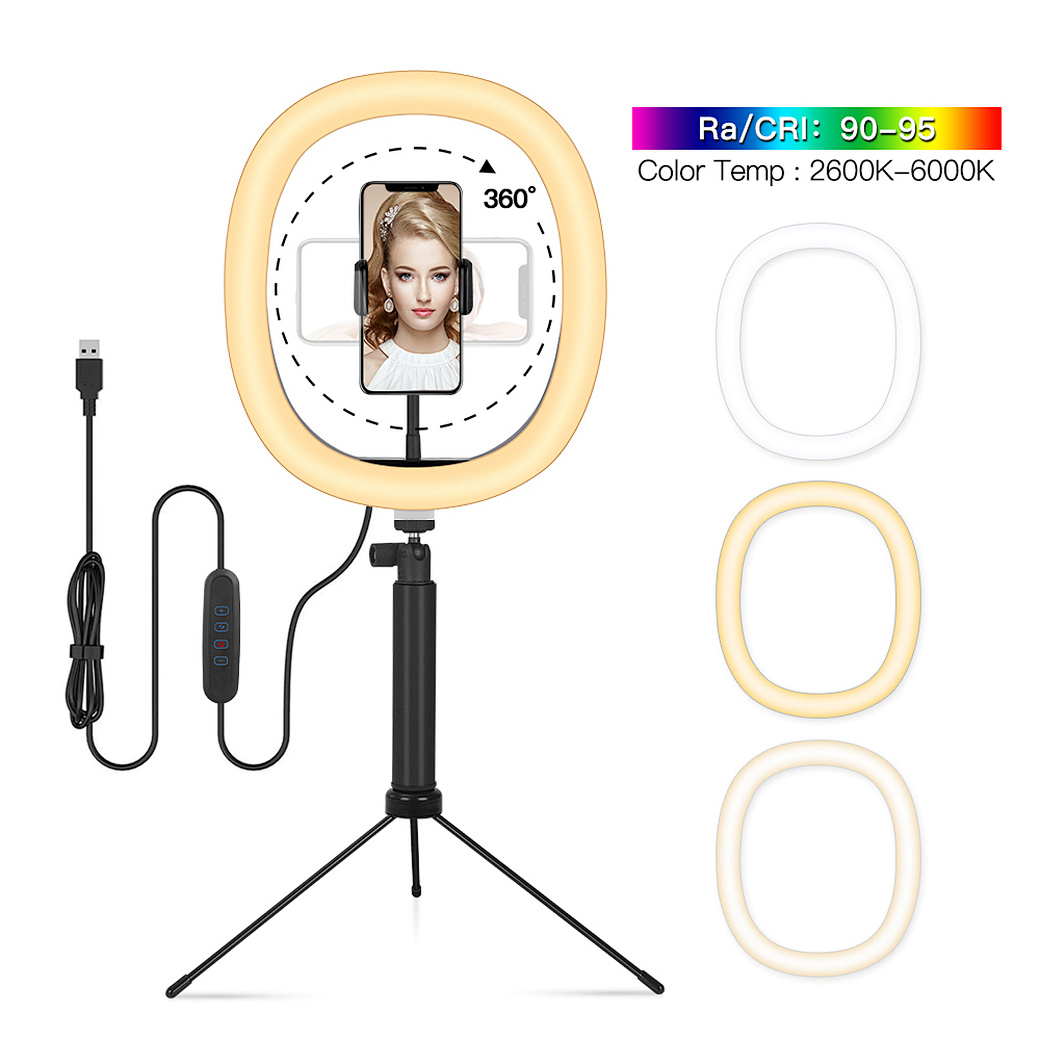
Confused about how to fix half moon wall light? Our simple quick tips help you troubleshoot common issues and get your cozy fixture working again fast.
how to fix half moon wall light
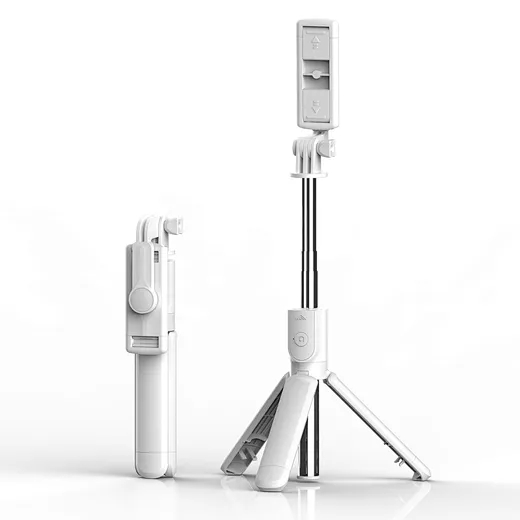
In the age of TikTok, Instagram Reels, and 24/7 live broadcasting, the Selfie Stick has evolved from a "tourist gadget" into an essential professional tool.
who invented selfie stick