what does no optical drive mean
author: LJ
2026-01-06
With slim, lightweight designs taking priority, modern devices have phased out built-in optical drives entirely. But this doesn’t mean you have to abandon your CD, DVD, or Blu-ray collections.
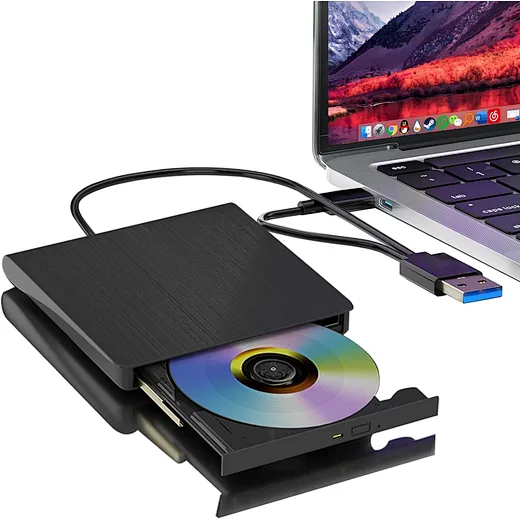
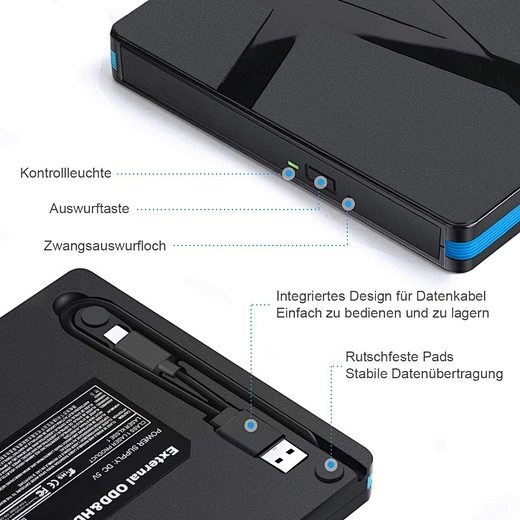
This 2025 news guide answers what does no optical drive mean in plain terms, breaks down its impact on your daily use, and explains how a portable external optical drive (our specialty) solves the problem.
Whether you’re a student, professional, or casual user, we’ll turn confusion into clarity with SEO-friendly keyword placement for better Google indexing.
Core Answer: What Does No Optical Drive Mean?
Simply put, what does no optical drive mean is that your laptop or PC does NOT have a built-in hardware component (the optical drive) that reads or writes data to CDs, DVDs, or Blu-rays.
Core Answer: What Does No Optical Drive Mean?
Simply put, what does no optical drive mean is that your laptop or PC does NOT have a built-in hardware component (the optical drive) that reads or writes data to CDs, DVDs, or Blu-rays.
Unlike older devices with a visible disc tray or slot, modern devices omit this part entirely to save space, reduce weight, and improve battery life.
This doesn’t mean you can’t use optical media anymore—it just means you need an external optical drive (a portable, plug-and-play device) to access or create discs, rather than relying on a built-in one.
What “No Optical Drive” Means for Your Daily Use
Understanding what does no optical drive mean boils down to how it affects your ability to use physical media. Here are the key impacts (and easy solutions with our external optical drive):
1. You Can’t Natively Access Old CDs/DVDs/Blu-rays
The biggest immediate impact of “no optical drive” is that you can’t plug a CD with family photos, a DVD of home videos, or a Blu-ray movie directly into your device.
What “No Optical Drive” Means for Your Daily Use
Understanding what does no optical drive mean boils down to how it affects your ability to use physical media. Here are the key impacts (and easy solutions with our external optical drive):
1. You Can’t Natively Access Old CDs/DVDs/Blu-rays
The biggest immediate impact of “no optical drive” is that you can’t plug a CD with family photos, a DVD of home videos, or a Blu-ray movie directly into your device.
This is frustrating for users with legacy media collections—but our externaloptical drive solves this instantly.
Just plug it into your laptop’s USB-C or USB-A port, insert your disc, and access the content like you would with a built-in optical drive.

2. You Can’t Burn Discs Without an External Tool
If you need to burn backup discs, create custom music CDs, or archive large files to DVD/Blu-ray, “no optical drive” means you can’t do this natively.
But our external optical drives are equipped with burning capabilities—they work with free software (like VLC or ImgBurn) to let you burn discs just as easily as a built-inoptical drive.
Many of our drives even come with bundled burning software for a seamless experience.

3. You Gain Portability & Battery Life (a Silver Lining)
While “no optical drive” seems like a downside, it has a big benefit: modern laptops are thinner (under 0.7 inches), lighter (under 3 pounds), and have longer battery life (8+ hours) without the bulky optical drive hardware.
For most users, this portability is worth the tradeoff—especially since an external optical drive is small enough to fit in a backpack or purse, so you only carry it when you need it.

4. Software/Game Installation May Require Digital Downloads
Many old software programs or games come on discs—“no optical drive” means you can’t install them directly. The fix? Either download a digital version (if available) or use our external optical drive to read the disc and install the software.
This is critical for professionals who rely on legacy software for work (e.g., design tools or accounting programs).

Why an External Optical Drive Is the Best Solution for “No Optical Drive” Devices
Now that you know what does no optical drive mean, the best way to restore optical drive functionality is with an external model (our specialty). Here’s why it’s better than other workarounds (like disc-to-digital conversion services):
· Plug-and-play convenience: No complex setup—just connect our external optical drive to your laptop via USB-C/USB-A, and it works instantly with Windows 11, macOS Sonoma, and all modern devices. No drivers or software to install (unless you want burning tools).
· Cost-effective: Disc-to-digital services charge $5–$10 per disc to convert your media—our external optical drive costs a one-time fee (under $100 for premium models) and lets you access unlimited discs forever.
· Versatility: Our externaloptical drives support all disc formats (CD, DVD, Blu-ray), so you can use every disc in your collection. They also work with multiple devices—use the same drive for your laptop, desktop, and even your friend’s device.
· Long-termreliability: Our drives are built with durable aluminum casings and high-quality lasers, ensuring they last for years. They also support M-DISC technology, which preserves data on DVDs for up to 1,000 years—perfect for archiving irreplaceable photos or documents.
FAQ: Common Questions About “No Optical Drive”
Q: What does no optical drive mean for macOS users (MacBook/iMac)?
A: Apple has omitted optical drives from MacBooks since 2012 and iMacs since 2019. What does no optical drive mean for Mac users? The same as Windows users—you can’t natively access discs.
Our external optical drives are fully compatible with macOS, working seamlessly with Finder and Apple’s native software.
Q: Is there any way to use optical media without an external optical drive?
A: You could use a disc-to-digital conversion service (like Vudu for movies) or borrow a computer with a built-in optical drive to copy files to a USB drive.
But these are slow, costly, or inconvenient—an external optical drive is the fastest, most affordable long-term solution.
Q: Will future laptops ever bring back optical drives?
A: Unlikely—manufacturers are focused on slim designs and cloud storage. What does no optical drive mean for the future?
External optical drives will remain the go-to solution for users who need to access physical media, making them a smart investment.
Final Thoughts: “No Optical Drive” Doesn’t Mean “No More Discs”
To recap what does no optical drive mean: your device lacks a built-in disc reader/writer, but you can easily restore that functionality with an external optical drive.
Modern laptops trade the bulky optical drive for portability and battery life—and our external drives let you have the best of both worlds: a slim laptop for daily use and access to your disc collection whenever you need it.
Ready to solve the “no optical drive” problem? Browse our lineup of external optical drives to find the perfect match for your laptop.
With plug-and-play setup and reliable performance, you’ll forget your device ever lacked a built-in drive.
do you need optical drive for gaming pc
what does an optical drive do
Related Article
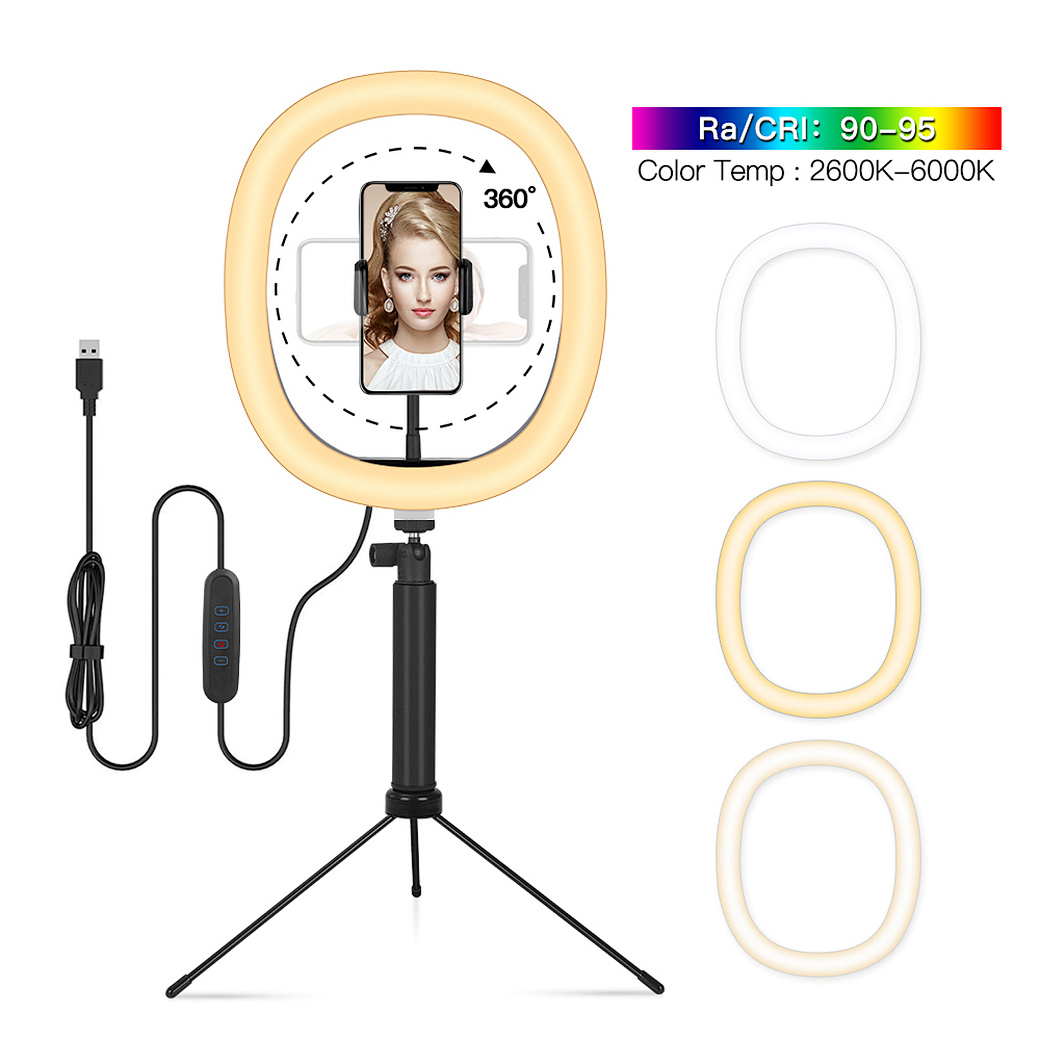
Confused about how to fix half moon wall light? Our simple quick tips help you troubleshoot common issues and get your cozy fixture working again fast.
how to fix half moon wall light
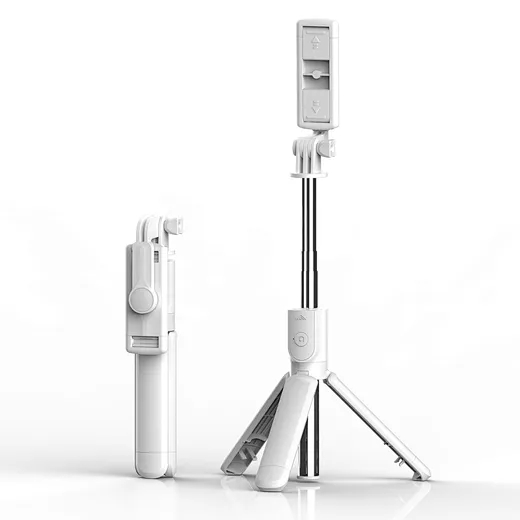
In the age of TikTok, Instagram Reels, and 24/7 live broadcasting, the Selfie Stick has evolved from a "tourist gadget" into an essential professional tool.
who invented selfie stick