what is floppy drive
author: LJ
2026-01-09
For decades, the floppy drive was the backbone of data storage, letting users save and transfer files before USB drives, cloud storage, or even CDs existed. Today, it’s a beloved retro tech icon, but it still holds relevance for archivists, retro computing enthusiasts, and anyone curious about the history of digital storage. This 2025 news guide answers what is a floppy drive in plain terms, explores its evolution, and explains why it’s still talked about today. SEO-friendly keyword placement ensures better Google indexing, while nostalgic insights and fun facts keep readers engaged and eager to click.
The floppy drive is one of the most influential tech devices of the 20th century—yet most young people have no idea what it is. When people ask me what is a floppy drive, I tell them it’s the original ‘USB drive’—a portable way to carry data between computers long before Wi-Fi or flash memory. It’s a key piece of tech history that shaped how we store and share digital information today.
Core Answer: What Is a Floppy Drive?
Simply put, a floppy drive (officially called a “floppy disk drive,” or FDD) is a hardware device that reads and writes data to/from floppy disks—thin, flexible magnetic storage disks enclosed in a protective plastic case. Think of it like a vintage version of a USB drive reader: you insert a floppy disk into the floppy drive, and the drive uses magnetic heads to access the data stored on the disk’s surface. Unlike modern storage devices (which are often built into computers or wireless), floppy drives were typically built into desktop PCs and laptops, with a small tray or slot for inserting disks.
The floppy drive is one of the most influential tech devices of the 20th century—yet most young people have no idea what it is. When people ask me what is a floppy drive, I tell them it’s the original ‘USB drive’—a portable way to carry data between computers long before Wi-Fi or flash memory. It’s a key piece of tech history that shaped how we store and share digital information today.
Core Answer: What Is a Floppy Drive?
Simply put, a floppy drive (officially called a “floppy disk drive,” or FDD) is a hardware device that reads and writes data to/from floppy disks—thin, flexible magnetic storage disks enclosed in a protective plastic case. Think of it like a vintage version of a USB drive reader: you insert a floppy disk into the floppy drive, and the drive uses magnetic heads to access the data stored on the disk’s surface. Unlike modern storage devices (which are often built into computers or wireless), floppy drives were typically built into desktop PCs and laptops, with a small tray or slot for inserting disks.

The name “floppy” comes from the original 8-inch floppy disks (introduced in the 1970s), which were large and flexible. Later versions (5.25-inch and 3.5-inch) were smaller and sturdier, but the “floppy” nickname stuck—even though 3.5-inch disks had a rigid plastic case .
The Evolution of the Floppy Drive (Key Milestones)
To fully understand what is a floppy drive, it helps to trace its evolution—from a bulky industrial tool to a household staple:
1. 1970s: The 8-Inch Floppy Drive (Industrial Beginnings)
The first floppy drive was developed by IBM in 1971, paired with 8-inch floppy disks that could store just 80KB of data (enough for a few simple text files today). These drives were huge, expensive, and used primarily in industrial and government settings—far from consumer use. They were a breakthrough, though: before floppy drives, data was stored on large, non-portable hard drives or punch cards.
2. 1980s: The 5.25-Inch Floppy Drive (Home Computer Boom)
In the 1980s, the 5.25-inch floppy drive became a standard feature in home computers like the Apple II, Commodore 64, and IBM PC. These drives used smaller, cheaper disks that stored 360KB–1.2MB of data—enough for early games (likePac-Man or Space Invaders) and basic software. The 5.25-inch floppy drive made computing accessible to households, letting users share games and files between computers for the first time.
3. 1990s–2000s: The 3.5-Inch Floppy Drive (Peak Popularity)
The 3.5-inch floppy drive (introduced in the 1980s but popularized in the 1990s) was the most successful version. It used rigid plastic disks that stored 1.44MB of data and were more durable than previous models. For over a decade, 3.5-inch floppy drives were built into nearly every PC and laptop—used for saving school projects, sharing photos, installing software, and backing up small files. It wasn’t until the 2000s that USB drives (which stored more data and were faster) began to replace them.

4. 2010s–Present: Obsolescence & Retro Revival
By the 2010s, floppy drives were nearly obsolete—replaced by USB drives, cloud storage, and CDs/DVDs. Modern computers no longer include built-in floppy drives, and floppy disks are hard to find. However, there’s a growing retro tech movement: enthusiasts collect vintage floppy drives and disks, and some archivists use external floppy drives to recover data from old disks (like family photos or historical documents).
How a Floppy Drive Works (Simplified)
Now that you know what is a floppy drive, here’s a simple breakdown of how it works (no technical jargon required):
- Insert the floppy disk into the floppy drive—the drive’s motor pulls the disk inside, and the protective cover on the disk slides open to expose the magnetic surface.
- The drive’s magnetic heads (small metal components) move back and forth over the spinning disk (which spins at 300–360 RPM, slower than modern hard drives).
- To read data: The magnetic heads detect tiny magnetic patterns on the disk’s surface, which represent digital data (0s and 1s). This data is sent to the computer for processing.
- To write data: The magnetic heads create new magnetic patterns on the disk, overwriting old data or storing new files.
Why Floppy Drives Matter Today (Beyond Nostalgia)
You might be thinking, “If floppy drives are obsolete, why does it matter what is a floppy drive?” Here are three reasons they’re still relevant:
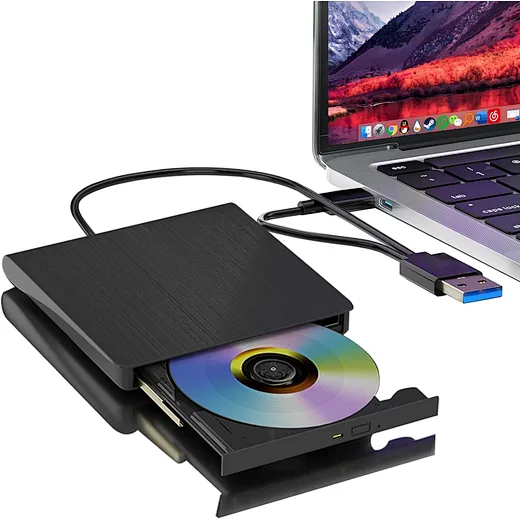
- Data Archiving: Many old disks still hold irreplaceable data—like family photos from the 1990s, historical records, or early digital art. Archivists use external floppy drives (which connect to modern computers via USB) to recover this data before the disks degrade.
- Retro Computing: A growing community of retro tech enthusiasts restores vintage computers (like 1990s PCs or Commodore 64s) and uses floppy drives to play classic games or run old software. For these hobbyists, floppy drives are a critical part of the retro experience.
- Tech History: The floppy drive paved the way for modern portable storage. Understanding how it worked helps us appreciate how far storage technology has come—from 80KB floppy disks to 1TB USB drives and unlimited cloud storage.
FAQ: Common Questions About Floppy Drives
- Q: What is a floppy drive’s storage capacity compared to modern devices?
- A: It’s tiny! The most common 3.5-inch floppy disk stores 1.44MB of data. A modern 16GB USB drive can hold over 11,000 times that amount, and a single photo from a smartphone is often 2–5MB (bigger than a full floppy disk). This size limitation is a big reason floppy drives became obsolete.
- Q: Can I use a floppy drive on a modern computer?
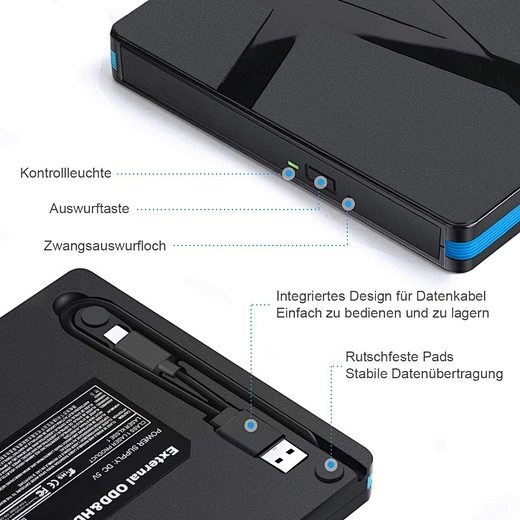
- A: Yes! You can buy external USB floppy drives that connect to modern Windows/macOS computers. These drives let you read old floppy disks and recover data—perfect for archiving or retro computing. Just note that modern operating systems may not support old software stored on floppy disks.
- Q: Why were floppy drives called “floppy” if some disks were rigid?
- A: The nickname comes from the original 8-inch floppy disks (1970s), which were large, thin, and flexible. Later 5.25-inch disks were also flexible, but 3.5-inch disks had a rigid plastic case. By then, the “floppy” name was already widely used, so it stuck—even though the 3.5-inch disks weren’t actually floppy.
Final Thoughts: Understanding the Floppy Drive’s Legacy
Now you have a clear answer to what is a floppy drive: a vintage storage device that revolutionized how we share and store digital data. While it’s no longer a part of modern computing, the floppy drive’s legacy lives on in every USB drive, cloud service, and portable storage device we use today. Whether you’re a retro tech fan, an archivist, or just curious about tech history, the floppy drive is a fascinating piece of digital evolution.
Ready to dive deeper into retro tech? Explore our guides to other iconic vintage devices, or check out external floppy drives if you need to recover data from old disks. The past of tech is full of surprises—and the floppy drive is just the beginning.
how to burn a cd
what uv lamp is best for gel nails
Related Article

Confused about how to fix half moon wall light? Our simple quick tips help you troubleshoot common issues and get your cozy fixture working again fast.
how to fix half moon wall light
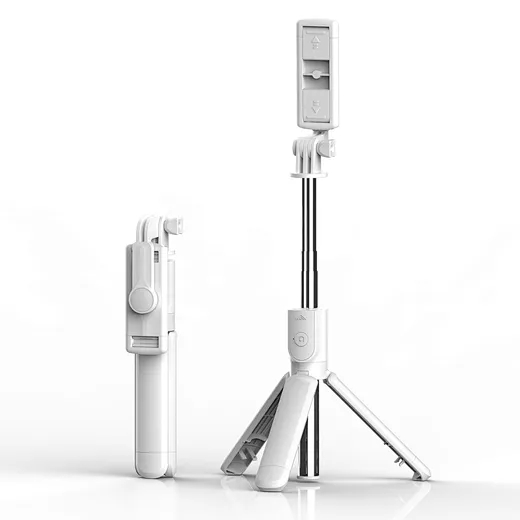
In the age of TikTok, Instagram Reels, and 24/7 live broadcasting, the Selfie Stick has evolved from a "tourist gadget" into an essential professional tool.
who invented selfie stick