why do led lights flicker on video
author: LJ
2026-01-17
If you’re asking why do led lights flicker on video, you’re not alone—this problem plagues both amateur and professional setups, ruining otherwise perfect shots.
The good news is, flickering is rarely a defect; it’s a technical mismatch between your lights and camera settings. This 2025 news guide answers why do led lights flicker on video,
breaks down the root causes, and shares actionable fixes—including how to choose the right LED Video Light to avoid the issue entirely.
Core Answer: Why Do LED Lights Flicker on Video?
The primary reason why do led lights flicker on video is a mismatch between the LED’s pulse width modulation (PWM) frequency and your camera’s frame rate.
Core Answer: Why Do LED Lights Flicker on Video?
The primary reason why do led lights flicker on video is a mismatch between the LED’s pulse width modulation (PWM) frequency and your camera’s frame rate.
Unlike incandescent bulbs (which emit constant light), most LEDs use PWM to regulate brightness—they flicker on and off rapidly (hundreds of times per second) to create the illusion of steady light.
Our eyes can’t perceive this fast flicker, but cameras (which capture footage frame by frame) pick up the gaps between pulses, resulting in visible flickering.
Other factors, like low-quality drivers, voltage fluctuations, or incompatible LED Video Light designs, can worsen the issue, but PWM frequency is the root cause.
Key Causes of LED Flicker on Video (Detailed Breakdown)
To fully understand why do led lights flicker on video, let’s break down the most common causes—from technical specs to setup mistakes:
1. Low PWM Frequency (Most Common Cause)
PWM frequency is measured in hertz (Hz)—the number of times the LED flickers on/off per second. Budget LEDs and household bulbs typically have a low PWM frequency (50–100 Hz), which is far too slow for cameras.
Key Causes of LED Flicker on Video (Detailed Breakdown)
To fully understand why do led lights flicker on video, let’s break down the most common causes—from technical specs to setup mistakes:
1. Low PWM Frequency (Most Common Cause)
PWM frequency is measured in hertz (Hz)—the number of times the LED flickers on/off per second. Budget LEDs and household bulbs typically have a low PWM frequency (50–100 Hz), which is far too slow for cameras.
When your camera’s frame rate (e.g., 24fps, 30fps) doesn’t sync with the PWM frequency, the footage captures the LED turning off between frames, creating flickering.
High-quality LED Video Lights solve this by using a PWM frequency of 1000 Hz or higher—fast enough to avoid detection by cameras.
2. Camera Frame Rate & Shutter Speed Mismatch
Even with a decent LED Video Light, incorrect camera settings can cause flicker. Your camera’s shutter speed (measured in fractions of a second) determines how long each frame is exposed.
2. Camera Frame Rate & Shutter Speed Mismatch
Even with a decent LED Video Light, incorrect camera settings can cause flicker. Your camera’s shutter speed (measured in fractions of a second) determines how long each frame is exposed.
If the shutter speed is faster than the LED’s PWM cycle (e.g., 1/1000s with a 500Hz LED), the camera captures the LED’s “off” phase.
For example, a 30fps frame rate paired with a 1/60s shutter speed works with most LED Video Lights, but a 1/2000s shutter speed will expose flicker in low-frequency LEDs.
3. Poor-Quality LED Drivers
LEDs rely on drivers to convert AC power to DC and regulate current. Cheap LEDs use low-quality drivers that produce inconsistent power, causing the LED to flicker erratically.
3. Poor-Quality LED Drivers
LEDs rely on drivers to convert AC power to DC and regulate current. Cheap LEDs use low-quality drivers that produce inconsistent power, causing the LED to flicker erratically.
This is especially noticeable on video, as the camera amplifies small power fluctuations. Professional LED Video Lights use constant-current drivers, which deliver stable power and eliminate flicker—even at low brightness levels.
4. Voltage Fluctuations (Household & Battery-Powered Lights)
Household LEDs connected to unstable power grids (common in older homes or areas with voltage spikes) may flicker due to inconsistent electricity flow.
4. Voltage Fluctuations (Household & Battery-Powered Lights)
Household LEDs connected to unstable power grids (common in older homes or areas with voltage spikes) may flicker due to inconsistent electricity flow.
Battery-powered LED Video Lights can also flicker when batteries are low or the power supply is weak—always use fully charged batteries or a reliable AC adapter for studio setups.
5. Dimming & Color Temperature Adjustments
Some LEDs flicker when dimmed or when adjusting color temperature (warm/cool light). This happens because budget LEDs use PWM to dim (lowering the frequency as brightness decreases) or switch between warm and cool diodes rapidly.
5. Dimming & Color Temperature Adjustments
Some LEDs flicker when dimmed or when adjusting color temperature (warm/cool light). This happens because budget LEDs use PWM to dim (lowering the frequency as brightness decreases) or switch between warm and cool diodes rapidly.
Premium LED Video Lights use “flicker-free dimming” (constant current instead of PWM) and smooth color temperature transitions to avoid this issue.

How to Fix LED Flicker on Video (Step-by-Step Solutions)
Now that you know why do led lights flicker on video, use these fixes to get smooth footage—from quick settings tweaks to upgrading your LED Video Light:
1. Adjust Camera Shutter Speed & Frame Rate
Start with the easiest fix: Match your camera’s shutter speed to your LED Video Light’s PWM frequency. For most lights:
Use a shutter speed of 1/50s or 1/60s for 24fps/30fps footage (the most common for vlogs, YouTube, and films).Avoid shutter speeds faster than 1/250s unless you’re using a high-frequency LED Video Light (1000Hz+).
If flicker persists, switch to a lower frame rate (e.g., 24fps instead of 60fps) to sync better with the LED’s pulse cycle.
2. Upgrade to a Flicker-Free LED Video Light
The most reliable long-term fix is investing in a high-quality LED Video Light labeled “flicker-free” or “high-frequency PWM (1000Hz+)”. Look for these features:
PWM frequency of 1000Hz or higher (some professional lights go up to 5000Hz).Constant-current drivers and flicker-free dimming (0–100% brightness without flicker).Compatibility with both AC power and batteries (for on-location shoots) .
PWM frequency of 1000Hz or higher (some professional lights go up to 5000Hz).Constant-current drivers and flicker-free dimming (0–100% brightness without flicker).Compatibility with both AC power and batteries (for on-location shoots) .
3. Avoid Dimming Budget LEDs (or Use Alternative Dimming Methods)
If you’re stuck with budget LEDs, avoid dimming them (since this lowers PWM frequency). Instead, adjust the light’s distance from your subject or use light modifiers (softboxes, diffusers) to reduce brightness without dimming.
For household LEDs, replace them with “flicker-free” bulbs designed for video (look for PWM frequency ≥500Hz).
4. Stabilize Power Supply
For studio setups, use a surge protector or voltage stabilizer to eliminate power fluctuations. For battery-powered LED Video Lights, use high-capacity rechargeable batteries (Li-ion is best) and replace them before they run low.
Avoid mixing old and new batteries, as this causes inconsistent power delivery.
5. Test Lights Before Shooting
Always test your LED Video Light with your camera before filming. Record a short clip at your desired frame rate/shutter speed and playback to check for flicker.
If you see flicker, adjust your settings or switch to a different light—this saves you from re-shooting footage later.
FAQ: Common Questions About LED Flicker on Video
Q: Why do LED lights flicker on video but not to the eye?
A: Our eyes perceive light as continuous if it flickers faster than ~50Hz, but cameras capture footage frame by frame. Even a 100Hz LED flickers 100 times per second—if your camera’s shutter speed is 1/200s, it captures the LED off 50 times per second, creating visible flicker.
A high-quality LED Video Light (1000Hz+) flickers too fast for cameras to detect.
Q: Will a LED Video Light with higher wattage prevent flicker?
A: No—wattage (brightness) has nothing to do with flicker. Flicker is determined by PWM frequency and driver quality, not power output. A 10W LED Video Light with 1000Hz PWM will be flicker-free, while a 50W budget LED with 50Hz PWM will flicker on video.
Q: Do smartphone cameras have the same flicker issue?
A: Yes—smartphones use high shutter speeds (especially in low light) that can capture LED flicker. To fix this, lower your smartphone’s shutter speed (use pro mode) to 1/50s or 1/60s, or use a flicker-free LED Video Light designed for mobile shooting.
Q: Can color temperature affect LED flicker on video?
A: Yes—budget LEDs may flicker when switching between warm (3000K) and cool (5600K) light, as they use rapid diode switching. Premium LED Video Lights use dual-diode designs with smooth color transitions, eliminating flicker during color temperature adjustments.
Final Thoughts: Flicker-Free Video Starts with the Right LED Video Light
To recap why do led lights flicker on video: It’s a mismatch between LED PWM frequency and camera settings, worsened by low-quality drivers or power issues.
The easiest fix is to use a high-frequency, flicker-free LED Video Light and adjust your camera’s shutter speed/frame rate to match. Whether you’re a vlogger, filmmaker, or content creator, eliminating flicker ensures your footage looks professional and polished—no more ruined shots or re-shoots.
Ready to upgrade your lighting setup? Browse our curated selection of flicker-free LED Video Lights—designed for every budget and use case, from mobile vlogging to studio filmmaking. Say goodbye to flicker and hello to smooth, professional footage.
how to set up a rgb led ring light
can i use internal cd drive as external
Related Article
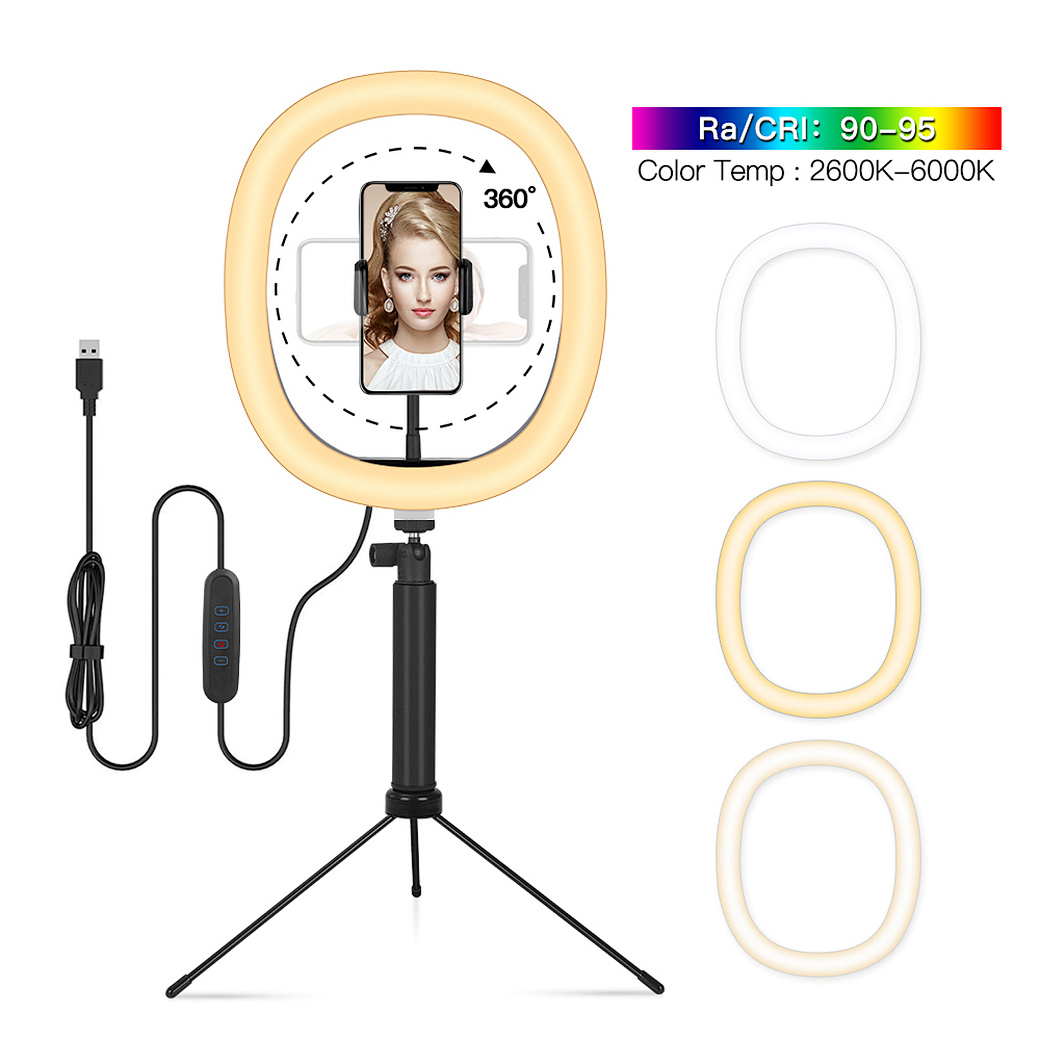
Confused about how to fix half moon wall light? Our simple quick tips help you troubleshoot common issues and get your cozy fixture working again fast.
how to fix half moon wall light
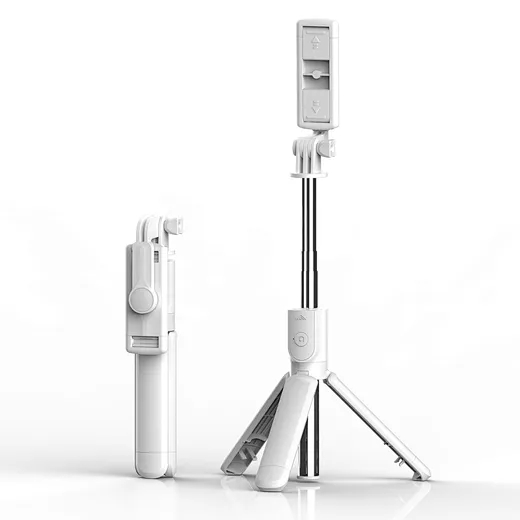
In the age of TikTok, Instagram Reels, and 24/7 live broadcasting, the Selfie Stick has evolved from a "tourist gadget" into an essential professional tool.
who invented selfie stick